Trust in your care is essential when it comes to pregnancy and birth. Knowing who is on your care team and what falls under their scope of practice is important in feeling confident, supported, and safe.
Both midwives and certified nurse midwives provide personalized care throughout pregnancy and birth. But there are important differences in training and education. Understanding what makes them different can help you decide which provider is the right fit for you and your pregnancy.
A certified midwife has completed formal midwifery training and is qualified to provide support before, during, and after birth. A certified nurse-midwife has additional medical education and is licensed as an advanced practice registered nurse. Depending on your pregnancy needs, medical history, and birth goals, one may feel more aligned with what you need than the other.
What Does a Midwife Do?
A midwife is a licensed professional who helps expectant mothers through pregnancy, labor, birth, and immediate postpartum. They are trained in the natural processes of pregnancy and childbirth. Their care focuses strongly on the physical, emotional, and holistic well-being of both mother and baby.
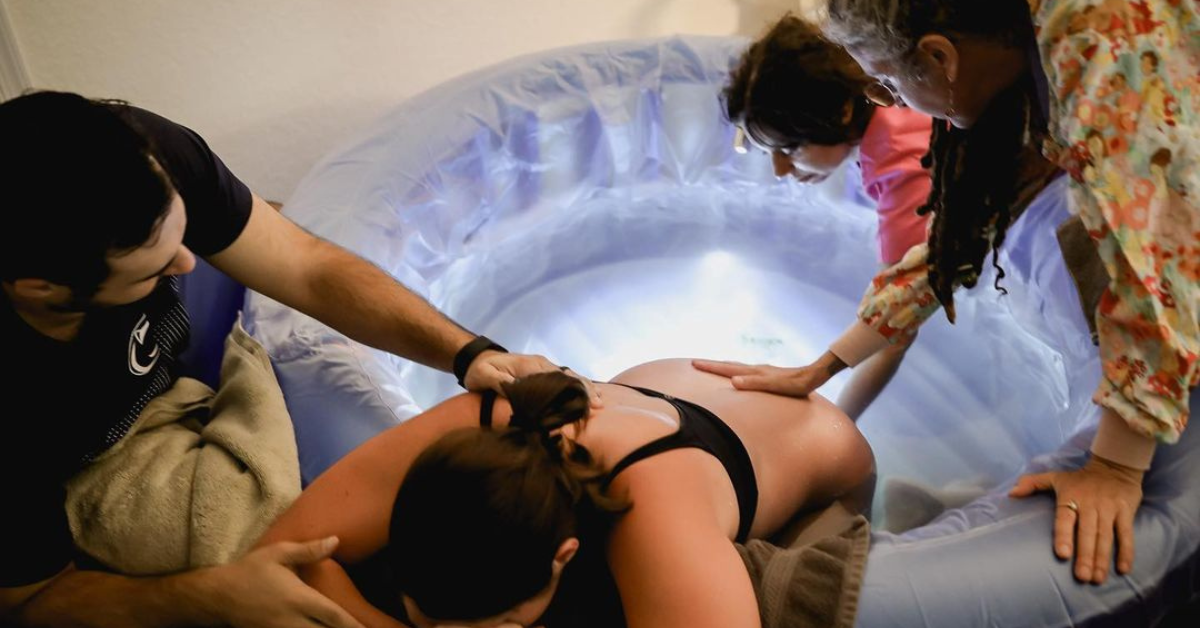
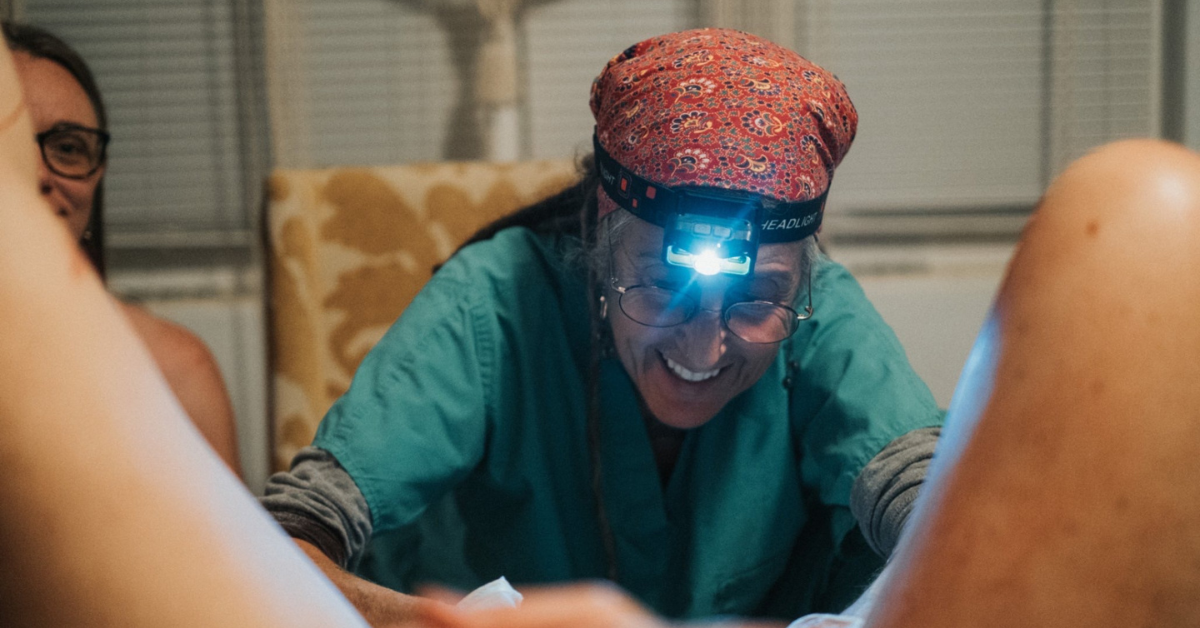
Midwives often take a relationship-centered approach. They spend significant time with patients to listen and support informed decision-making. They may provide care in a variety of settings, including home births and birth centers. In addition to attending births, midwives typically offer prenatal visits, education, emotional support, postpartum care, and breastfeeding guidance.
Midwife vs Nurse Midwife: Key Differences
The primary difference between a midwife and nurse midwife is education and medical capabilities. While both support pregnancy and birth, certified nurse midwives have formal nursing education in addition to midwifery training. With this, they can manage certain clinical aspects of care that may fall outside a certified midwife’s scope.
What is a Certified Midwife?
A certified midwife (CM) completes midwifery education and clinical training focused on low-risk pregnancy and birth. To become certified, they must have at least a bachelor’s degree in a health-related field and complete an accredited midwifery program. This is all before passing a national certification exam.
Certified midwives typically focus on:
- Low-risk pregnancies
- Natural birth
- Minimal medical intervention
- Holistic and individualized care
Certified midwives tend to practice in birth centers or home birth settings, including water births. They emphasize informed choice, continuity of care, and trust in the body’s natural ability to give birth.
What is a Certified Nurse Midwife?
A certified nurse midwife (CNM) is both a registered nurse and a midwife. CNMs complete nursing school, get their RN license, and then earn a graduate-level degree in nurse midwifery. They are considered advanced practice registered nurses.
Because of their medical training, certified nurse midwives can:
- Practice in hospitals, birth centers, and homes
- Order lab work and diagnostic tests
- Prescribe certain medications
- Manage higher-risk pregnancies
Many people choose a CNM when they want a blend of midwifery philosophy with access to medical interventions if absolutely needed.
Have a Safe and Peaceful Birth with a Midwife in West Palm Beach
At Midwife360, we believe birth is not a medical event to manage, but a natural experience to support. We pride ourselves on being advocates for our patients. Our team advocates for mothers, honors intuition, and listens closely to the body throughout pregnancy and birth.
Whether you are preparing for your first baby or welcoming another, working with a trusted midwife in West Palm Beach allows you to approach birth with confidence. Reach out today to learn more about how Midwife360 can support you on this beautiful journey into motherhood.