If you’re hoping for a water birth, it can help to know early on that this option is limited in most hospital settings. Many hospitals do offer the use of water during labor, but it is typically intended for comfort rather than for giving birth in the water.
A water birth means laboring and giving birth in a tub of warm water. While this is something many families envision when planning their birth, what is available in hospitals often looks different in practice. Understanding that difference can help bring more clarity as you begin exploring your options while creating your birth plan.
Below is a closer look at what several South Florida hospitals typically offer, so you can better understand how each approach may shape your experience.
Disclaimer: Hospital policies can change over time. The information below reflects what we were able to confirm as of June 2026, but we always recommend contacting the hospital directly to verify its current water birth policies.
Can You Have a Water Birth in a Hospital?
In most hospital settings, water birth is not offered as part of standard care. Instead, water is typically used as a comfort measure during labor only. You may still be able to labor in water for comfort, but most hospitals require you to move out of the tub before birth. Knowing this early can help reduce surprises later in pregnancy when decisions start to feel more time-sensitive.
Every hospital has its own policies, which may also vary depending on your provider and your pregnancy. If having a water birth is important to you, it is worth discussing your options with your care team early in your pregnancy.
It can be helpful to step back and look at what each hospital actually offers. Below is a breakdown of several South Florida hospitals so you can compare options more clearly.
Good Samaritan Hospital
Water Birth: Not provided.
Water Labor: Yes. Most mothers choose to enter the tub during active labor, and the water temperature is maintained by your partner or doula. When it is time to push, you will move from the tub to another birthing position, such as the bed or shower.
Tub Rental: Yes. A third-party company provides the birthing tub. Rental fees and availability may vary, so it is best to contact the hospital for current information.
What this means for your birth plan:
This allows for labor in water for comfort, but birth takes place outside the tub, so a water birth experience is not available here.
Cleveland Clinic Tradition Hospital
Water Birth: Not provided.
Water Labor: Yes, you may remain in the tub during active labor. Once it is time to push, you will move to another birthing position.
Tub Rental: No, temperature-controlled whirlpool tubs are available in each room.
What this means for your birth plan:
At this hospital, water is available for labor comfort, but birth takes place outside the tub, so a water birth experience is not part of the care model.
Wellington Regional Medical Center
Water Birth: Not provided.
Water Labor: Yes, you may labor in a birthing tub, but you will move out of the tub before birth.
Tub Rental: Yes, the hospital works with a preferred third-party rental company that delivers, sets up, and removes the birthing tub.
What this means for your birth plan:
This option can provide comfort during labor, but it does not include birth in the water.
Boca Raton Regional Hospital
Water Birth: Not provided.
Water Labor: Yes, you may labor in a birthing tub before moving to the bed for birth. This typically happens when labor becomes more active, or you begin to feel the urge to push.
Tub Rental: Yes, the hospital works with a preferred third-party rental company that delivers, sets up, and removes the birthing tub.
What this means for your birth plan:
This setting supports labor in water, but birth takes place in another location within the hospital.
What’s the Difference Between Water Labor and Water birth?
Water labor (also called hydrotherapy for labor) means spending part or all of labor in a warm birthing tub. Many women find that warm water helps them relax, move more comfortably, and cope with contractions.
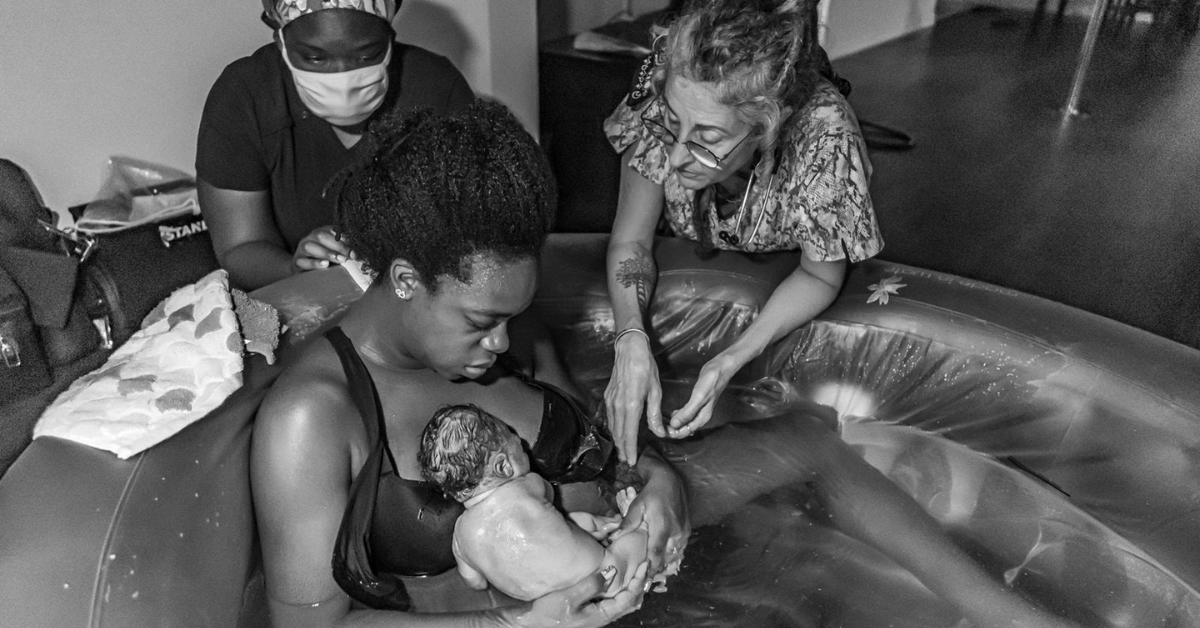
Water birth means your baby is actually born while you remain in the birthing tub. This option is much less common in hospitals and is more often available during planned home births attended by a certified nurse midwife.
Where Can I Have a Water Birth?
If water birth is part of your vision for birth, it’s important to know that hospital settings rarely support giving birth in the water. For many families, this leads to exploring a planned home birth with a certified nurse midwife instead.
A planned home birth with a midwife provides the opportunity to both labor and give birth in a birthing tub. Throughout your pregnancy, your midwife can help you understand whether a home water birth is appropriate for your individual situation, answer your questions, and prepare you for the experience.
The goal is not simply to choose a birth location. It is to create a birth plan that reflects your preferences while supporting the health and well-being of both you and your baby.
Questions to Ask Your Hospital Before Choosing a Water Birth
When you’re comparing hospitals, you may notice that policies and options differ from one place to another. Having a few clear questions ready can help bring more clarity to those conversations.
Consider asking:
- Do you offer water birth or only hydrotherapy during labor?
- Is there a birthing tub available in my room, or will I need to rent one?
- If a rental is required, which company do you recommend?
- At what point will I be asked to leave the tub?
- Can I move freely during labor if I leave the tub?
- Are there any medical conditions or pregnancy factors that would make me ineligible for water labor?
Having these conversations before labor begins can help you better understand your options and avoid any surprises on the day you give birth.
What Makes Someone a Good Candidate for a Water Birth?
Every pregnancy is different, so the decision to have a water birth should always be made with your care provider.
In general, water birth is most appropriate for women with healthy, low-risk pregnancies who are between 37 and 42 weeks pregnant. A baby in a head-down position is typically considered ideal for a water birth, although an experienced certified nurse midwive can also attend twin water births in carefully selected situations.
Your overall health, your pregnancy history, and any complications that develop during pregnancy will all help determine whether a water birth is a safe option for you.
Honoring Your Birth Plan Every Step of the Way
If water birth is important to you, it helps to talk through your options with someone who can walk you through what is realistic and what may require a different plan than you originally expected. Understanding what your chosen hospital does and does not offer can help you make informed decisions about your care.
Every birth plan is personal. Whether you’re exploring your options or preparing for a planned water birth, P. Fadwah Halaby, A-APRN, Certified Nurse Midwife, can help you understand your options, answer your questions, and prepare for birth with personalized guidance throughout your pregnancy.